XAUUSD Signals: Decoding Model 1 & 2 Setups
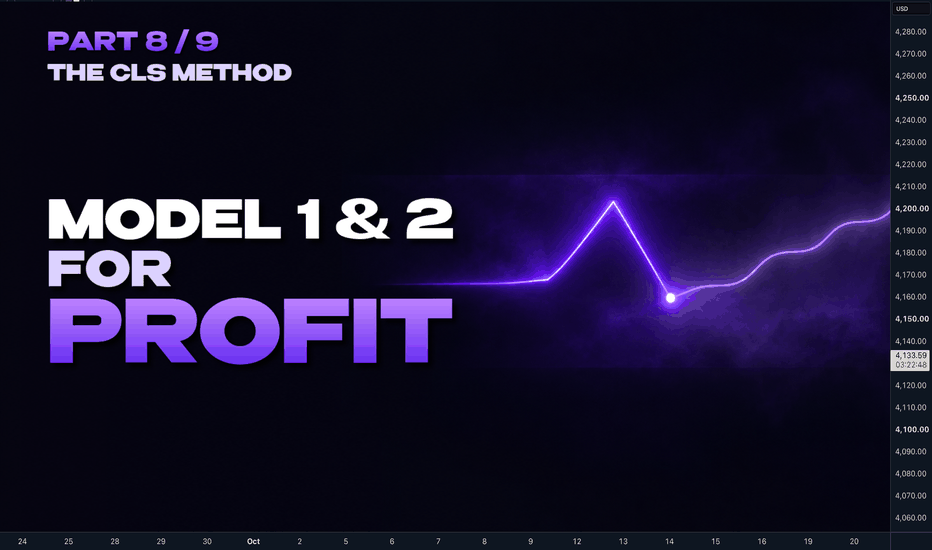
The Logic Behind High-Probability XAUUSD Signals
When analyzing the gold chart, it's easy to get lost in patterns and levels, seeing multiple potential trades at once. However, professional trading is about sequence and probability, not just shapes on a screen. A recent XAUUSD analysis from David Perk highlights a crucial distinction within his CLS Method: the difference between a 'Model 1' reaction trade and a 'Model 2' expansion trade. Understanding this sequence is vital for anyone using XAUUSD signals effectively.
The common mistake, as David points out, is to view a setup as two guaranteed trades. Price manipulates a range, and traders assume it will both return to the range and then expand out the other side. They try to trade both moves at once or jump into the second move prematurely. The key insight is that the initial close back inside the range is simply "the door into the first one"—the Model 1 reaction trade. The expansion is a separate, conditional event that may never happen.
This framework provides a clear, rule-based approach to trading gold, filtering out lower-probability assumptions and focusing only on the immediate reaction presented by the market.
Breaking Down the XAUUSD Chart: Model 1 vs. Model 2
To properly interpret XAUUSD signals based on this logic, we must define the two models David refers to. This structure is central to the CLS strategy.
Model 1: The Reaction
This is the first, and highest-probability, trade following a market manipulation. The sequence is clear:
- Higher-Timeframe (HTF) Bias: First, a directional bias is established. Let's assume it's bullish.
- CLS Range Identified: A clear trading range is defined on the chart.
- Manipulation Occurs: Price temporarily breaks below the range, grabbing liquidity.
- The Close: Price then moves back inside the range and closes, confirming the manipulation was false. This close is the trigger.
Model 1 is the trade taken based on this confirmation, targeting the other side of the range. It is a direct reaction to the failed breakdown. This is the trade you focus on first, without any expectation of what comes next.
Model 2: The Expansion
Model 2 is the continuation trade that might occur after Model 1 has successfully played out. If the reaction trade (Model 1) reaches its target, and market conditions remain strong, price might then break out of the other side of the range and expand. The critical error is trading this before Model 1 has even confirmed or paid. It's a lower-probability event that is entirely dependent on the success of the first trade.
By separating these two, a trader can focus their capital and mental energy on the most reliable part of the sequence. For those following David's TradingView ideas, this concept clarifies why patience is so paramount.
Applying this Logic to Your Trading
This principle isn't just theoretical; it's a practical filter for your daily analysis. Instead of seeing a range and predicting a full 'stop hunt and reversal,' you can follow a process:
- Wait for the trigger: Don't preempt the close back inside the range. Let the market prove the manipulation failed.
- Focus on one trade at a time: Execute the Model 1 reaction trade with a clear target and risk management.
- Re-evaluate: Once Model 1 is complete (win or loss), you can then analyze the market again to see if a Model 2 setup is even valid. Most of the time, it won't be.
This methodical approach is a cornerstone of consistent trading and is essential for anyone wanting to move from scattered analysis to a professional process. If you're new to these concepts, the Free CLS mini course provides a great introduction to the foundational ideas of the CLS strategy.
FAQ
H3: Are XAUUSD signals reliable for beginners?
Yes, high-quality XAUUSD signals can be very reliable for beginners, provided they come with clear logic and context, not just entry and exit points. A good signal service teaches you why a trade is being considered, helping you learn the underlying strategy and market dynamics.
H3: What is the best way to use gold signals?
The best way is to use them as a learning tool. Don't just blindly copy trades. Instead, analyze the provided chart, understand the reasoning behind the key levels and bias, and compare it to your own analysis. This turns signals into a form of active mentorship.
H3: How do forex signals handle market manipulation?
A professional forex signal service will have a strategy that accounts for manipulation, often called stop hunts or liquidity grabs. Instead of getting caught by these moves, the strategy, like the CLS Method's Model 1, waits for the manipulation to complete and uses it as the very basis for an entry.
Learn this with live trading signals
This is the same process David uses when he publishes trading signals in the CLS Lab membership. By joining, you not only get access to high-probability trade ideas but also join a trading community where you can see this analysis applied in real-time during live streams. Your first 5 days are free.
https://whop.com/joined/david-perk-fx/products/cls-lab-membership/
WRITTEN BY
David Perk
Full-time forex trader and mentor. $1M+ verified track record on FX Blue. Publishes CLS trading signals and teaches the process live inside the membership.
Learn more in the membership — trading signals included
Join the trading community for live CLS signals, one weekly membership stream, and the same setups you just read. First 5 days free, full access.
Start 5 days free — signals + membershipNo experience needed. Cancel anytime.