Forex Signals: Breaking Down a DXY CLS Range Setup
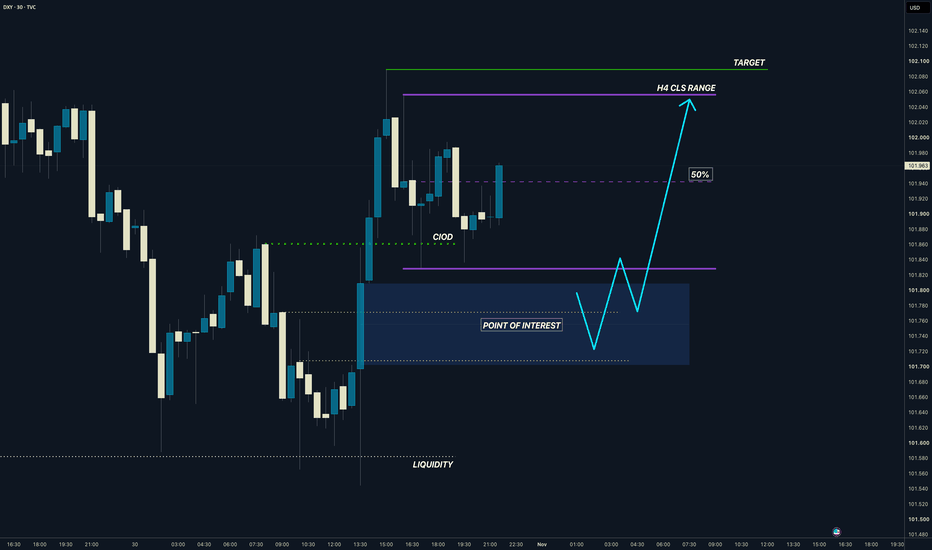
Professional forex signals aren't random guesses; they are the output of a detailed, systematic analysis of market structure. This recent chart of the DXY (US Dollar Index) from David Perk is a perfect example of the methodology that underpins the signals shared in the CLS Lab. Let's break down the thought process behind this high-probability idea.
At the core of the analysis is the identification of a clear H4 (4-hour) CLS range. This means that on a higher timeframe, the price is consolidating between a defined high and low. For a trader using the CLS strategy, this range is the entire playing field. It provides context, telling us where the market is likely to go and where it might reverse. In this DXY setup, the primary objective was the liquidity resting at the range high, suggesting a bullish bias.
The Role of the Point of Interest (POI)
However, a professional trader rarely enters a trade just because they have a directional bias. The goal is to find a high-precision, low-risk entry. This is where the blue Point of Interest (POI) on the chart comes into play.
David identified this zone as a likely area for price to retrace before continuing its move higher. Why this specific area? A POI is typically an area of previous consolidation or an order block where institutional orders may still be resting. The expectation is that the market will gravitate toward this zone to pick up liquidity before its next major move.
This is the kind of detailed planning that separates high-quality trading signals from simple buy/sell alerts. It's not just about the direction; it's about anticipating the path the price will take. This foresight allows for better entry prices and more favorable risk-to-reward ratios.
Why Confirmation is Everything
As the chart notes explicitly state, a "Point of Interest ≠ Automatic Entry." This is a critical lesson in professional trading. Instead of placing a blind limit order and hoping it works, the plan is to wait for price to reach the POI and then look for a specific entry pattern on a lower timeframe.
This pattern involves three key steps:
- A liquidity sweep or manipulation below a short-term low within the POI.
- A close back inside the immediate local range.
- A change of character, confirming that buyers are stepping back in.
This patient approach ensures you are trading with confirmed momentum, not just trying to catch a falling knife. It's this structured, repeatable process that a reliable provider of forex signals uses to identify and share opportunities with its trading community. If you're struggling to find consistency, a great first step is to learn these foundational concepts. You can start with David's Free CLS mini course to get an introduction to these principles.
FAQ
What should I look for in good forex signals?
Good forex signals should come with a clear analysis explaining the 'why' behind the trade. This includes identifying key levels, the overall market structure (like the H4 range in this DXY example), and a specific plan for entry and exit, rather than just a blind "buy" or "sell" command.
How are forex signals generated?
A professional trader generates signals by applying a consistent trading strategy to the charts. This involves multi-timeframe analysis to establish a directional bias, identifying high-probability zones like a POI, and waiting for a specific set of rules or confirmations before executing the trade.
Can beginners use forex trading signals?
Yes, beginners can use trading signals, but it's most effective when used as a learning tool. By following the analysis provided with the signals, a new trader can learn how a professional reads the market, manages risk, and executes trades, accelerating their own forex education.
Learn this with live trading signals
This is the same analytical process David Perk uses when he publishes trading signals for members inside the CLS Lab. If you want to see how these ideas translate into actionable trade alerts and learn in a live environment, you can join our trading community. The first 5 days are free to see if it's the right fit for you.
WRITTEN BY
David Perk
Full-time forex trader and mentor. $1M+ verified track record on FX Blue. Publishes CLS trading signals and teaches the process live inside the membership.
Learn more in the membership — trading signals included
Join the trading community for live CLS signals, one weekly membership stream, and the same setups you just read. First 5 days free, full access.
Start 5 days free — signals + membershipNo experience needed. Cancel anytime.