BTCUSD Trade Breakdown: The False Break Entry Signal
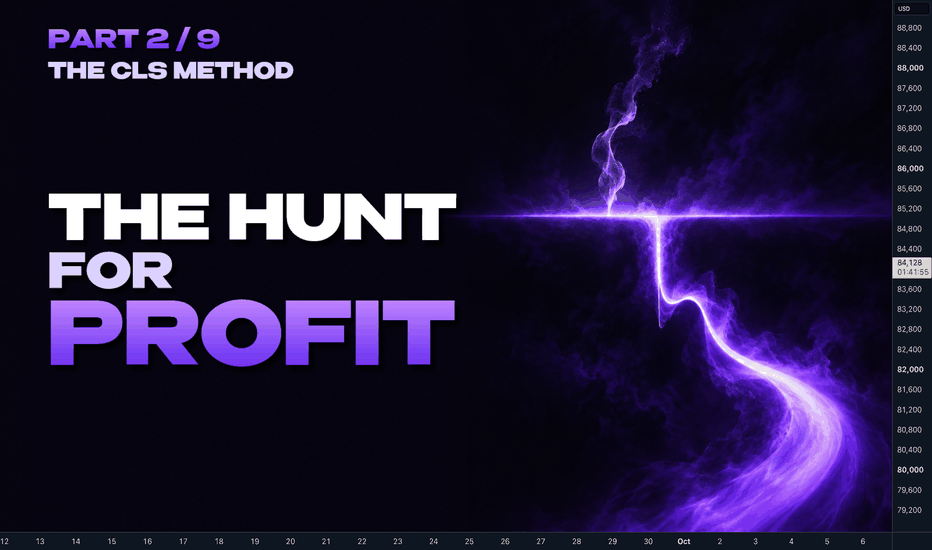
The Anatomy of a High-Probability BTCUSD Setup
In the world of trading, charts tell a story. For the untrained eye, price action can look like chaotic noise. But for a professional trader, it’s a narrative of supply, demand, and most importantly, intent. A recent setup on BTCUSD provided a textbook example of how institutional players operate and how we, as retail traders, can learn to read their footprints.
The core idea, as highlighted in a recent analysis, is simple yet profound: "No manipulation, no trade." This single rule shifts the focus from chasing simple patterns to understanding the mechanics behind price moves. Let's break down what the chart showed and why the false break was the key to the entire setup.
Reading the Pre-Trade Environment
Before any major move, the market often consolidates, building up orders on both sides of a range. On the BTCUSD chart, price action was coiling near a significant level of interest. This is the first piece of the puzzle.
Retail logic typically dictates one of two actions here:
- Place a buy order above the resistance, anticipating a breakout.
- Place a sell order below the support, anticipating a breakdown.
Large operators, or 'smart money,' know this. They understand that a pool of liquidity—in the form of buy stops, sell stops, and breakout entry orders—is building up around these obvious levels. They cannot simply enter a massive position without moving the price against themselves. They need this liquidity. So, they engineer a way to access it.
The Manipulation: A False Break as Construction
The pivotal moment in this BTCUSD setup was the false break. Price aggressively pushed below a clear support level, triggering a cascade of sell orders. This move looked convincingly bearish. Traders who were shorting the breakdown felt validated, while those who were long were stopped out, their sell-stop orders adding to the downward pressure.
However, this was not a genuine breakdown. It was a liquidity grab. This is the 'manipulation' we look for. The large players who wanted to buy BTCUSD at a lower price used the retail selling pressure to fill their large buy orders without causing a massive price spike. They absorbed the selling into their bids.
Once their positions were filled, the buying pressure that was previously hidden overwhelmed the manufactured selling, and the price sharply reversed. This is the moment the trap is sprung. Those who sold the low are now caught, and the real move begins.
Why the Reversal Was the True Entry Signal
The entry for a CLS strategy trader was not during the chaotic breakdown. It was after the manipulation was confirmed. As price reclaimed the support level it had just broken, it signaled that the downward move was a fabrication. This confirmation provided a high-probability entry to go long, with a clear invalidation level just below the low of the false break.
Understanding this process is what separates reactive retail trading from a professional approach. It’s a concept that moves beyond basic indicators and into the realm of market mechanics. Learning to see these constructions is a cornerstone of advanced forex education and a key focus for any serious trading coach.
Learn this with live trading signals
This is the same process David uses when he publishes trading signals inside the CLS Lab membership. Join the trading community, follow the live signals, and sit in the streams — your first 5 days are free.
WRITTEN BY
David Perk
Full-time forex trader and mentor. $1M+ verified track record on FX Blue. Publishes CLS trading signals and teaches the process live inside the membership.
Learn more in the membership — trading signals included
Join the trading community for live CLS signals, daily streams, and the same setups you just read. First 5 days free, full access.
Start 5 days free — signals + membershipNo experience needed. Cancel anytime.