Learn Forex Trading: The Candle Close Explained
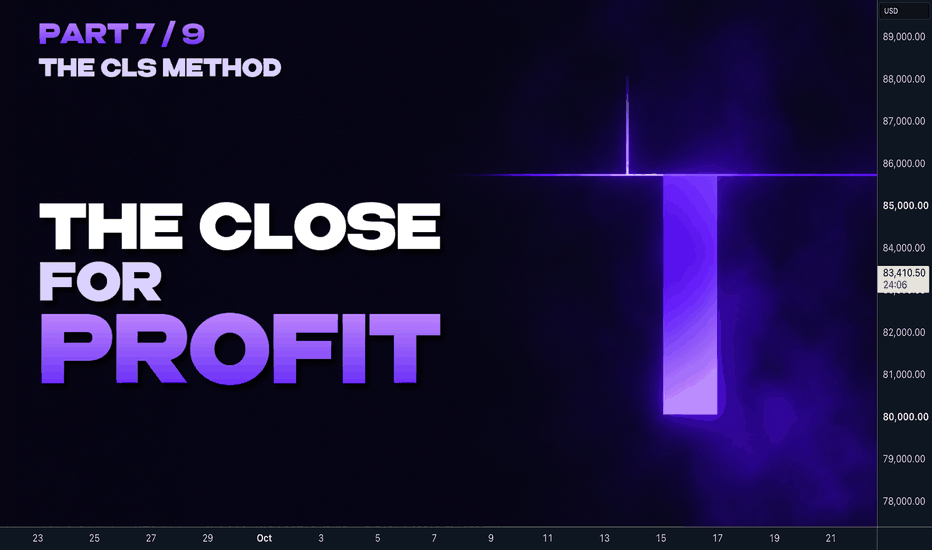
If you want to learn forex trading and build a lasting skill, you have to start with the fundamentals. Many beginners jump straight to complex indicators and strategies, but they miss the most important information on the chart: the story told by each candlestick.
One of the most critical foundational lessons is understanding the difference between a candle’s wick and its close. As demonstrated in a recent BTCUSD chart analysis by David Perk, grasping this concept can be the difference between falling for market traps and executing trades with professional clarity.
What is a Candlestick and What Does it Tell Us?
Before we dive into the close, let's have a quick refresher. A candlestick provides four key pieces of price information for a specific time period (e.g., one hour):
- The Open: The price at the beginning of the period.
- The Close: The price at the end of the period.
- The High: The highest price reached during the period.
- The Low: The lowest price reached during the period.
The “body” of the candle is the part between the open and the close. The thin lines extending from the body are the “wicks” or “shadows.” They show the high and the low. The color of the body (e.g., green or red) tells you if the price closed higher or lower than it opened.
The Trap of the Wick: Why Beginners Lose Money
When you’re just starting to learn forex trading, a long, fast-moving wick is exciting. It looks like strong momentum. Your instinct is to chase it.
However, a wick only represents a temporary journey. It shows where the price went, but not where it stayed. A long upper wick means that despite buyers pushing the price all the way up, sellers were strong enough to push it all the way back down before the candle finished forming. It's actually a sign of potential seller strength, not buyer momentum.
Trading the wick is a recipe for disaster because it’s a reactive, emotional decision based on incomplete information. This is a core topic in any serious forex education program.
The Power of the Close: A Change in Order Flow
The close is the final word for that time period. It represents the settled agreement between buyers and sellers. When a candle closes strongly above a key resistance level, it’s a powerful statement. It confirms that buyers have absorbed all selling pressure at that level and are now in control.
This confirmation is what David Perk calls a CIOD (Change In Order Delivery) in his CLS strategy. It's the objective signal that the market character has changed. By waiting for the close, you:
- Filter out the noise of the wicks.
- Avoid entering on manipulative price spikes.
- Base your decisions on confirmed strength or weakness.
This simple shift in perspective is a massive step forward in your trading journey. To explore more foundational concepts, check out the Free CLS mini course.
A Beginner's Path to Learn Forex Trading the Right Way
Learning to trade isn't about finding a magic indicator. It's about building a structured understanding of how the market works. A proper educational path should look something like this:
- Master the Basics: Understand candlesticks, market structure, and liquidity.
- Build a Core Strategy: Learn a complete trading model with objective rules for entries, exits, and risk management.
- Practice with Guidance: Apply the strategy in a live market with the support of a trading mentor and community to get feedback and refine your skills.
An online trading academy can provide this complete path, guiding you from foundational knowledge to confident execution.
FAQ
H3: How long does it take to learn forex trading?
Learning forex trading is a journey, not a destination. You can learn the basics in a few weeks, but becoming consistently profitable can take many months or even years. A structured forex course and mentorship can significantly speed up this process by providing a clear path.
H3: Is it better to learn on higher or lower timeframes?
Beginners often benefit from starting on higher timeframes (like the 4-hour or daily). The price action is slower, there's less noise, and it gives you more time to analyze the candles and wait for proper closes without feeling rushed.
H3: Where can I learn more about the CLS Strategy?
The best place to start is the free mini-course. For a complete, in-depth education, the CLS Academy is David Perk's full forex course that teaches the entire strategy from the ground up.
Learn this with live trading signals
This is the same disciplined process David Perk uses when he analyzes charts and publishes trading signals for the members of the CLS Lab. Instead of just getting an alert, you learn to see the market through a professional lens, backed by a community and live-stream mentorship.
Join the trading community and start learning the process today. Your first 5 days are free.
https://whop.com/joined/david-perk-fx/products/cls-lab-membership/
WRITTEN BY
David Perk
Full-time forex trader and mentor. $1M+ verified track record on FX Blue. Publishes CLS trading signals and teaches the process live inside the membership.
Learn more in the membership — trading signals included
Join the trading community for live CLS signals, daily streams, and the same setups you just read. First 5 days free, full access.
Start 5 days free — signals + membershipNo experience needed. Cancel anytime.