How to Trade a CLS Model 1 Setup on USOIL
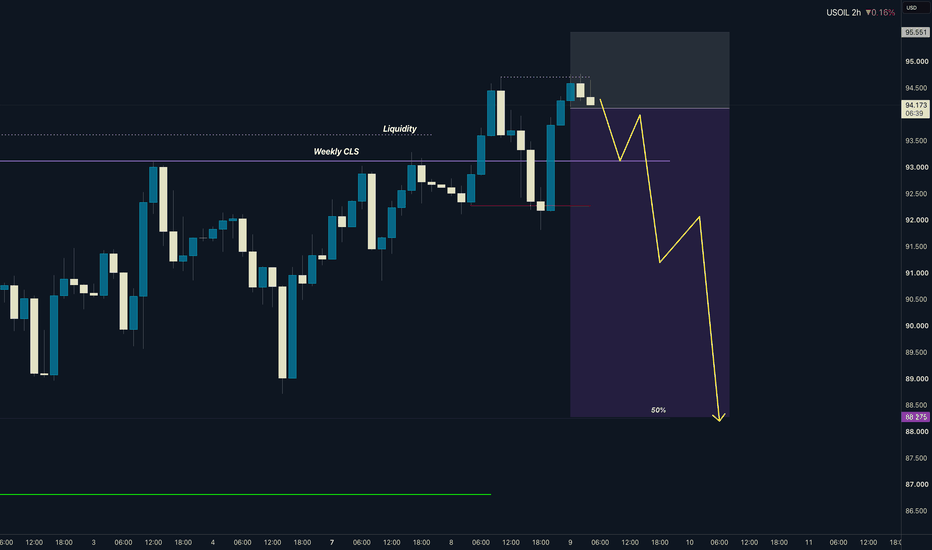
A Repeatable Process for Trading Structure
Many aspiring traders look for a magic indicator, but sustained success comes from a repeatable process. A recent USOIL analysis by our forex mentor, David Perk, perfectly illustrates the step-by-step methodology behind trading the CLS strategy. Specifically, he outlined a bearish Model 1 setup.
This article will turn that analysis into a practical, step-by-step guide you can use to identify and trade similar structures. Mastering such a process is a key objective for any trader, especially an aspiring funded trader looking to prove their consistency.
Step 1: Identify the Consolidation (The CLS Range)
Your first job is to be an observer, not a participant. Look for a clear period of consolidation on your chart. In David's example, this was on the 2-hour USOIL chart.
- What to look for: A defined period where price is trading sideways, creating relatively clear upper and lower boundaries. This is your "CLS Range."
- Action: Mark out the high and low of this range. This area is now your primary point of focus. Do not trade while price is chopping around inside it.
Step 2: Wait Patiently for Manipulation
Once the range is defined, the waiting game begins. The core of the CLS Model 1 setup is waiting for the market to hunt liquidity outside the range. For a bearish setup, this typically means a push above the range high.
- What to look for: A decisive move that breaks a key level, as noted in David's idea. This move is designed to look like a bullish breakout, trapping eager buyers and triggering stops.
- Action: Do nothing. Your job is to let the market execute this liquidity grab without getting involved. Resisting the Fear of Missing Out (FOMO) is a professional skill.
Step 3: Spot the Confirmation (The CIOD)
After the manipulation, you need a clear signal that sellers have taken control. This is the "Change in Order Flow" or CIOD.
- What to look for: A strong rejection of the higher prices. This can manifest as a powerful bearish candle that closes back within the previous range, or a clear break of short-term bullish structure on a lower timeframe.
- Action: Wait for a candle to close. As David explicitly states, "Enter only after candle close." This is your confirmation that the rejection is valid and not just a temporary wick.
Step 4: Execute and Manage the Trade
With your confirmation in hand, you can now move to execution with a clear plan.
- Entry: Execute a short (sell) order after the confirming candle has closed.
- Stop Loss: Place your stop loss logically above the high of the manipulation move. This defines your risk and protects your capital if the analysis is wrong.
- Take Profit: Set your target at the 50% level of the initial CLS Range you identified in Step 1. This is an objective, pre-defined target that helps you secure profits systematically.
By following these steps, you replace emotional, reactive trading with a calm, methodical process. This is the kind of structured approach taught in our comprehensive trading course, designed to build disciplined and consistently profitable traders.
WRITTEN BY
David Perk
Full-time forex trader and mentor. $1M+ verified track record on FX Blue. Teaches the CLS strategy to funded traders — live, five times a week.
Want to trade this alongside David?
Join the community — livestreams 5× a week, trade breakdowns, and entries called in real time. Your first week is free, full access to every paid feature.
Join the community — first week freeNo experience needed. Cancel anytime.