A CLS Strategy Breakdown: Reading the GBPUSD Chart
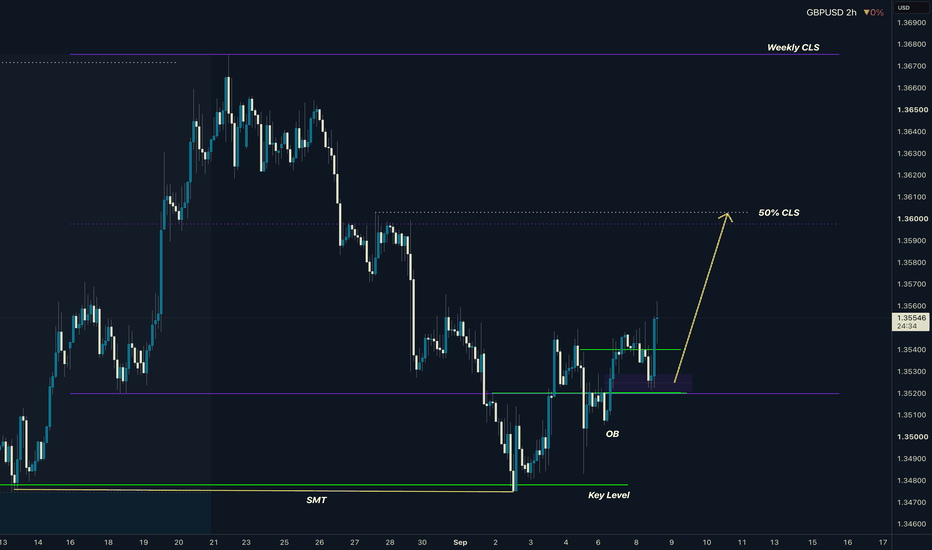
Decoding the Market with the CLS Strategy
Many traders look at a chart and see chaos. A professional, however, sees a narrative unfolding. The CLS (Create, Liquidate, Search) strategy is a framework for reading that narrative. It's about understanding the phases of market movement to identify high-probability turning points. Our recent analysis of GBPUSD provides a perfect case study for the CLS Model 1, a specific bullish setup.
At its core, the CLS strategy is built on the idea that markets move between phases of consolidation (range creation) and expansion (trending moves). The key is identifying the transition between these phases, which often involves a 'manipulation' or liquidity grab. Let's break down the components of the GBPUSD setup to see how this works in practice. Anyone looking to learn forex trading will find this structured approach to market analysis invaluable.
The Anatomy of a CLS Model 1 Setup
As outlined in the TradingView idea, the CLS Model 1 is a specific sequence of events we look for. It's not a signal-based system but a comprehensive way to interpret order flow.
1. The CLS Range
The first step is identifying a new, clear range. This is an area of consolidation where price is balanced between buyers and sellers. This range establishes the context for the entire trade idea. It's the 'Create' phase of the CLS model. For the GBPUSD setup, a new weekly range was the starting point for the analysis.
2. Manipulation into a Key Level
Markets rarely move cleanly from a range into a trend. Often, there's a move against the intended direction to trigger stop losses and engineer liquidity. This is the 'Liquidate' phase. In our GBPUSD plan, we are anticipating a price drop below the established CLS range into a key level. This move is designed to trick traders into selling, right before the market's true intention is revealed.
3. The Confirmation: Change in Orderflow (CIOD)
This is the most critical piece of the puzzle. After the manipulation, we don't just buy blindly. We need to see a clear sign that the manipulation is over and that buying pressure is returning. This is what we call a Change in Orderflow, or CIOD. It's a specific price action pattern on a lower timeframe that confirms the 'Search' for new liquidity is complete and the expansion phase is likely to begin. Waiting for the candle to close on this confirmation signal is a rule that instills discipline and prevents false entries.
4. The Expansion Phase
Once the CIOD is confirmed, the model anticipates an expansionary move back up. The initial target mentioned in the idea is the 50% level of the original CLS range. This provides a logical, pre-defined target for the trade, ensuring the risk-to-reward ratio is favorable.
This methodical process is what we teach in our forex academy. It transforms trading from a guessing game into a structured, repeatable business process. The CLS strategy provides a map to navigate the markets with confidence and clarity.
WRITTEN BY
David Perk
Full-time forex trader and mentor. $1M+ verified track record on FX Blue. Teaches the CLS strategy to funded traders — live, five times a week.
Want to trade this alongside David?
Join the community — livestreams 5× a week, trade breakdowns, and entries called in real time. Your first week is free, full access to every paid feature.
Join the community — first week freeNo experience needed. Cancel anytime.